1. Introduction
If you’re walking into Stranger Things Volume 2 expecting relief, closure, or some warm final victory lap, stop right now.
That mindset isn’t just wrong — it’s exactly what this story is designed to punish.
Netflix has spent nearly a decade conditioning viewers to associate Stranger Things with nostalgia, friendship, bikes, and synth music. But that emotional comfort blanket has been quietly stripped away, season by season, episode by episode. What’s left heading into Volume 2 is not hope it’s damage control.
Stranger Things Volume 2 is not about saving Hawkins.
It’s about surviving the consequences of failing to save it earlier.
And the most dangerous mistake viewers are making right now is assuming that because this is the final stretch, the story owes them happiness. It doesn’t. It never did.
This is not a victory lap.
This is the fallout.
2. Why Fans Are Expecting a Happy Ending
Let’s be honest about why this illusion exists.
Audiences are clinging to a “happy ending” theory because popular storytelling has trained them to expect one especially when a long-running show reaches its final chapter. The logic feels comforting, almost automatic:
The kids have suffered long enough
The friend group deserves peace
Evil must be defeated because… that’s how stories end
There’s also nostalgia poisoning the analysis. Stranger Things began as a love letter to ‘80s adventure films, where darkness existed but was ultimately overcome. People still associate the show with that emotional DNA, even though it hasn’t actually operated that way for years.
And then there’s the false optimism of survival.
“Everyone important is still alive,” people say — as if trauma, loss, and psychological damage don’t count unless a body drops on-screen.
That’s the trap.
The show has carefully allowed survival to masquerade as victory. But survival has never meant safety. It’s meant delay.
3. Why That Belief Is Dangerous
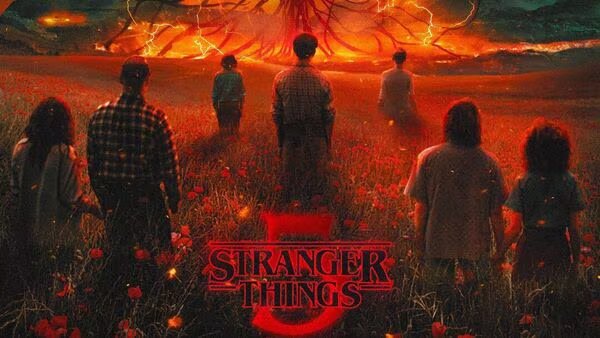
Believing Stranger Things Volume 2 will end happily isn’t harmless optimism it’s a misreading of the entire narrative philosophy.
This series has one consistent rule: hope always costs something permanent.
Every time the characters “win,” the price is irreversible:
Will survived — but he never truly escaped the Upside Down
Eleven saved her friends — but lost her childhood and identity
Hawkins avoided destruction — until it didn’t
The show does not reward bravery with peace.
It rewards bravery with more scars.
Expecting a happy ending now is dangerous because it ignores escalation. Season 5 didn’t reset the board — it burned it. The Upside Down didn’t retreat. It merged. The villain didn’t flee. He waited.
Stranger Things doesn’t end cycles it completes them.
4. What the Story Has Been Telling Us All Along
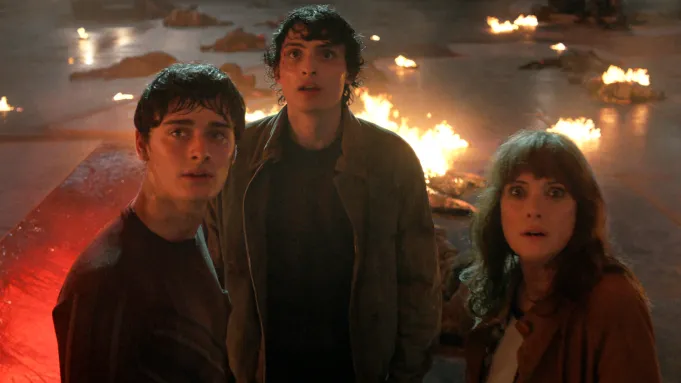
Look at the pattern without nostalgia fog.
This story has never been about defeating monsters. It’s been about living with what monsters break.
Trauma doesn’t vanish
Innocence doesn’t regenerate
Towns don’t heal just because the camera cuts away
Every season removes something essential:
Season 1 took safety.
Season 2 took normalcy.
Season 3 took trust in institutions.
Season 4 took the illusion of containment.
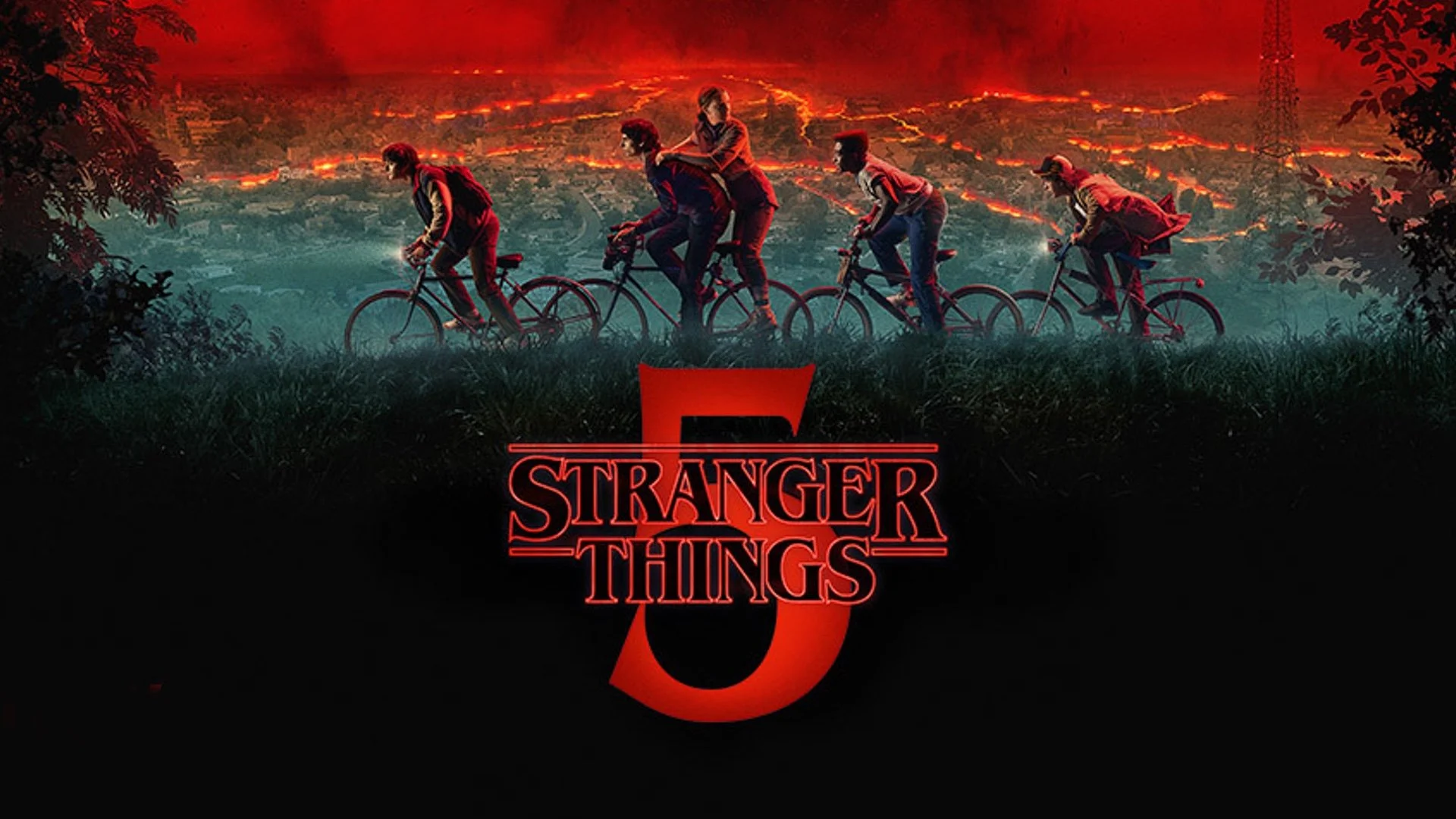
By the end of Volume 1, Hawkins isn’t just wounded — it’s structurally doomed. Cracks in reality aren’t metaphors anymore. They’re literal scars in the landscape.
And the characters? They aren’t heroes riding toward triumph. They’re survivors carrying emotional debt that cannot be repaid.
That’s not a setup for happiness. That’s a setup for reckoning.
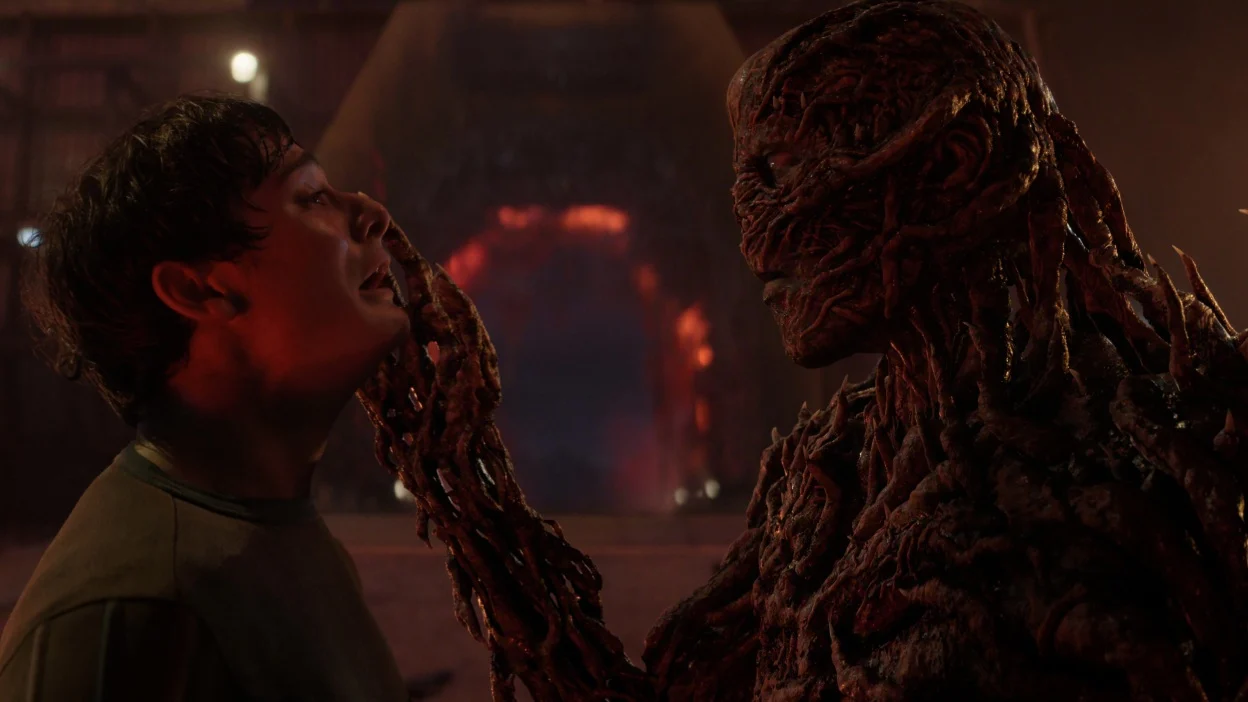
5. Vecna’s Plan Was Never About Winning a Battle
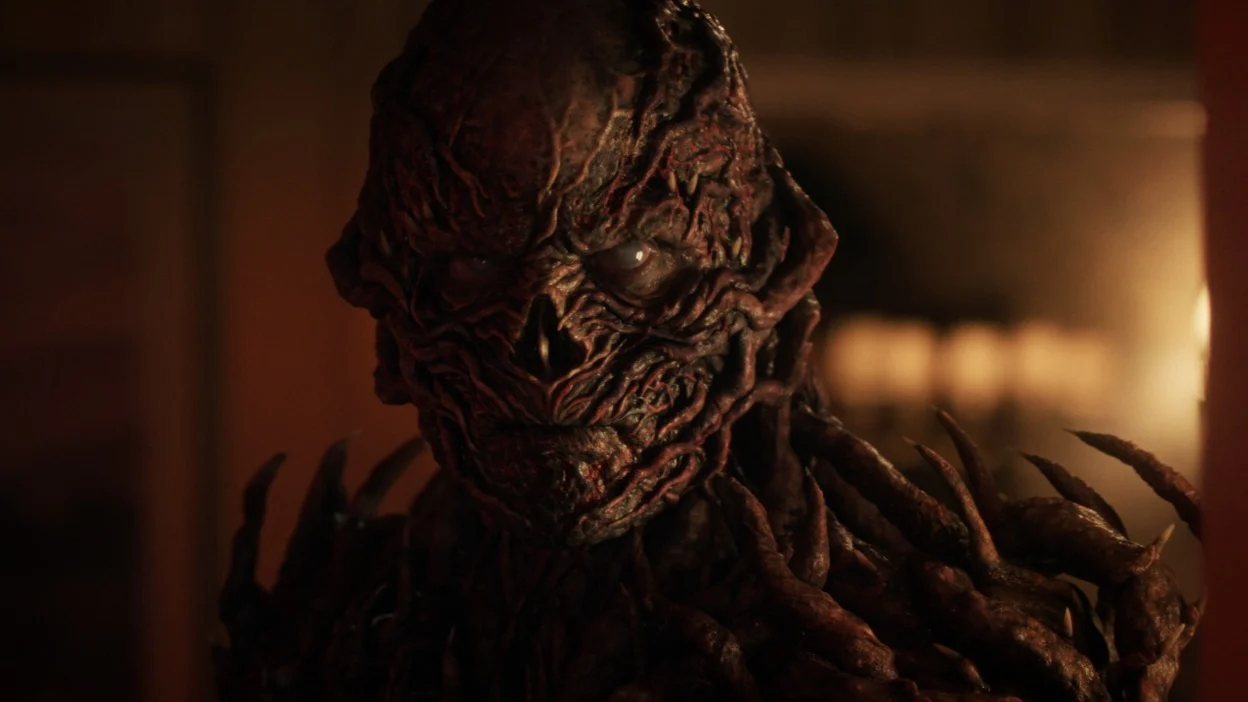
Here’s the critical mistake people keep making: assuming Vecna’s goal is conquest in the traditional sense.
Vecna doesn’t want to rule Hawkins.
He wants to redefine reality.
Every confrontation with Vecna has been misunderstood as a battle when it was actually a test of endurance. He doesn’t need to win today if tomorrow still belongs to him.
Delay is not defeat.
Survival is not resistance.
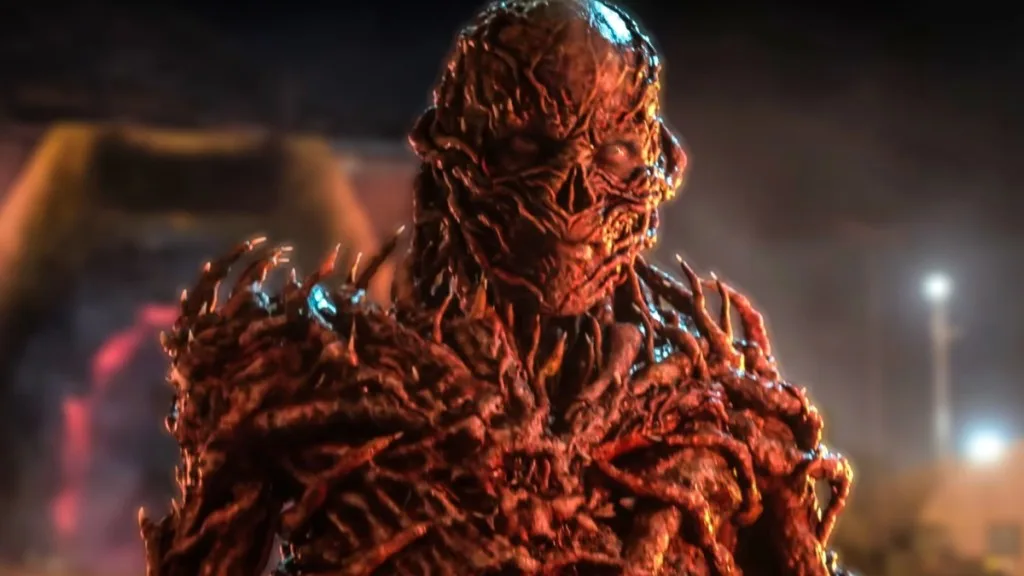
Vecna’s philosophy is long-term erosion. Break minds. Break spaces. Let guilt rot people from the inside until the world collapses under its own weight.
That’s why killing him wouldn’t even qualify as victory — not unless the damage he caused could be undone. And Stranger Things has been very clear: it can’t.
6. Hawkins Is Already Beyond Saving
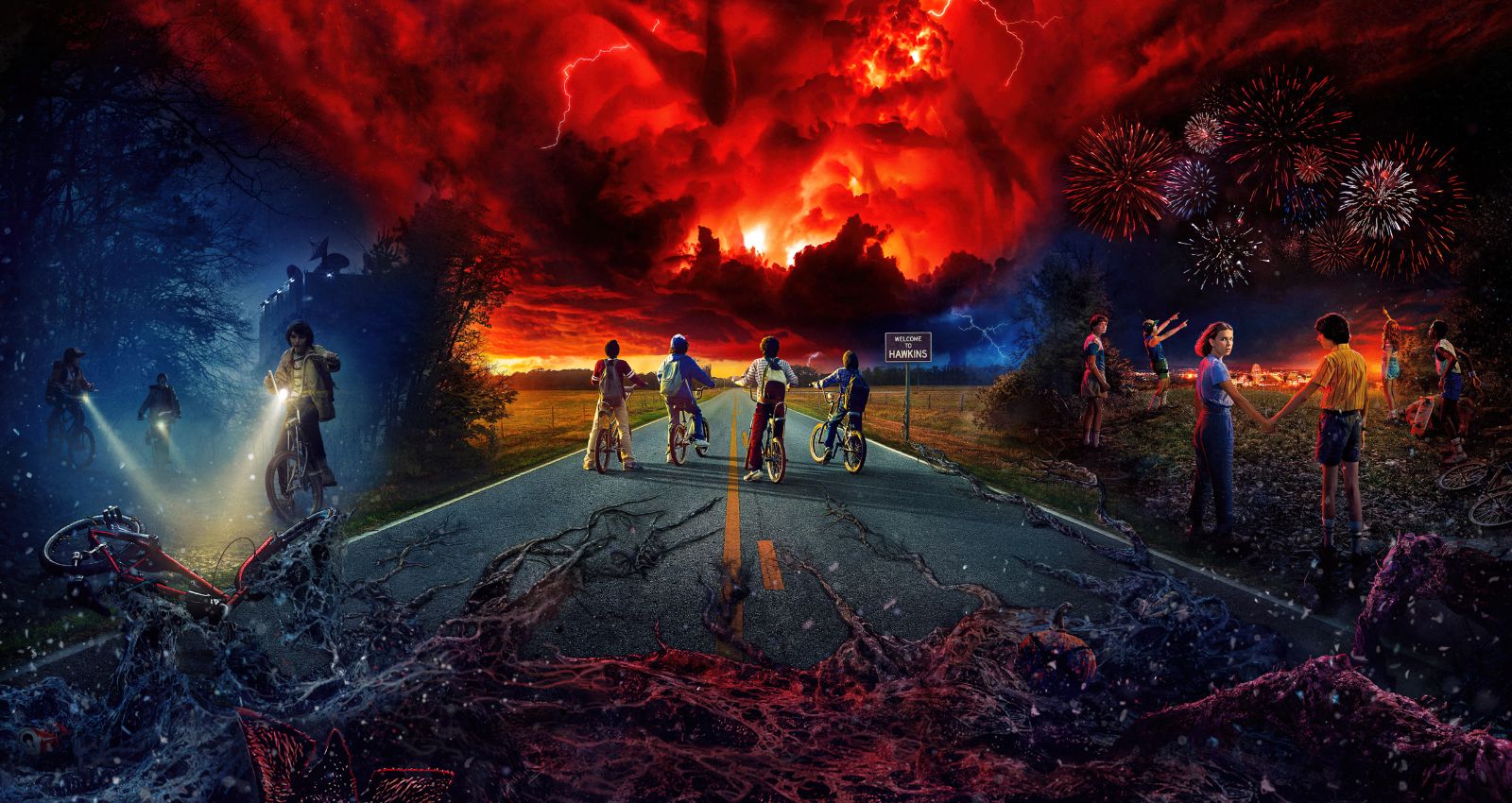
Stop imagining Hawkins returning to normal. That version of the town doesn’t exist anymore.
Geographically, narratively, emotionally — Hawkins has crossed a point of no return. Entire neighborhoods are scarred. The town is fractured socially. Reality itself is unstable.
More importantly, the people who grew up there can never unsee what they’ve seen.
Happy endings require restoration.
Stranger Things has only offered survival.
There is no “back to normal” when normal has been erased.
7. Why Volume 2 Is Being Positioned as an Ending, Not a Victory
Final seasons don’t promise triumph. They promise truth.
Netflix isn’t framing Volume 2 as a celebration — it’s framing it as closure. And closure doesn’t mean happiness. It means finality.
The stakes aren’t about “can they win?”
They’re about what remains once it’s over.
This is the difference between a finale that rewards fans and one that respects the story. Stranger Things has always leaned toward the latter.
Endings hurt because they don’t negotiate.
8. What to Expect Emotionally When Volume 2 Drops (25 Dec – 1 Jan)
Expect silence where music should be.
Expect conversations that don’t resolve cleanly.
Expect characters making choices that hurt but make sense.
Do not expect fan-service deaths for shock value — expect quiet losses that linger. The kind that don’t explode but slowly suffocate hope.
And when the final episode lands on January 1, 2026, don’t expect fireworks. Expect something colder.
Endings that matter don’t comfort. They haunt.
9. Conclusion
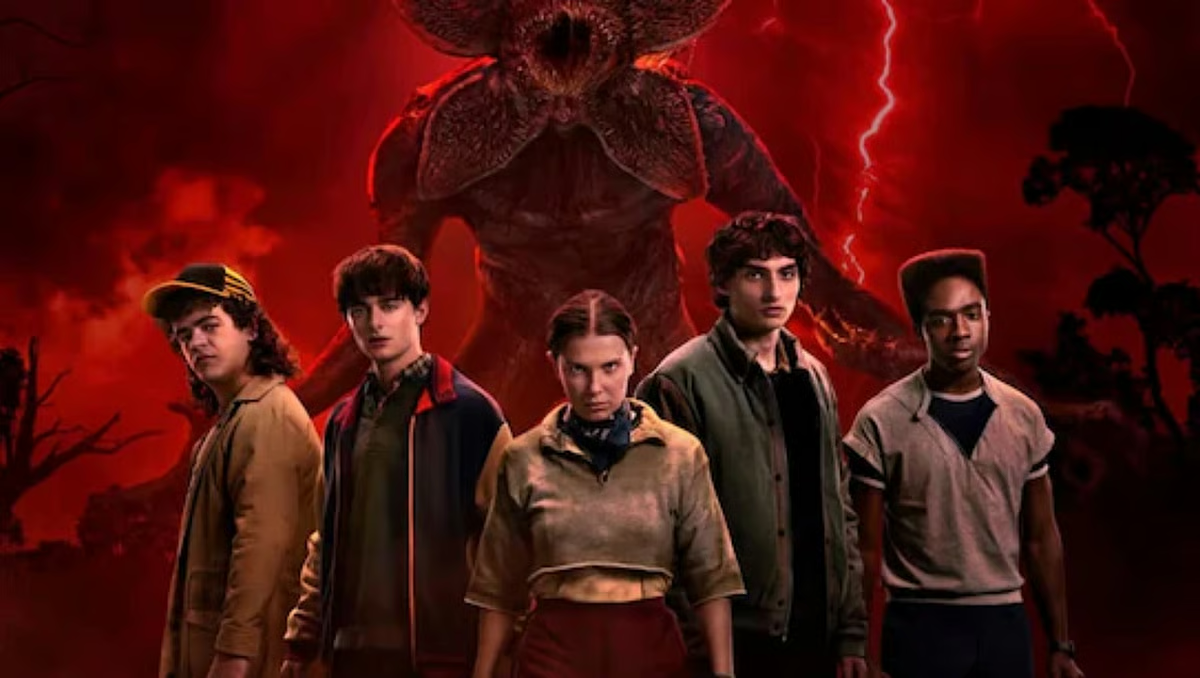
Stranger Things Volume 2 isn’t coming to make you feel good.
It’s coming to finish what the story started years ago.
If you’re expecting happiness, you’re walking in blind.
If you’re expecting victory, you’ve misunderstood the cost.
This story was never about defeating darkness.
It was about learning what survives after it passes through.
And when the final episode fades to black on January 1, 2026, the most unsettling realization won’t be who lived or died.
It will be understanding that this ending was always inevitable.